Pumping for the first time can be an overwhelming experience, and with so much conflicting advice online, it’s difficult not to get lost.
Pumping (and/or hand expressing) can be an essential part of your breastfeeding journey. You may choose to exclusively pump, you might have a baby that needs a little extra help, or you may be returning to work and want your baby to have your milk.
However your baby receives breast milk, from the breast or a bottle, it still supports your and your baby’s long-term health.
Having the skill to hand express colostrum can also help avoid long-term top-ups.
Which breast pump?
It can be difficult to choose a breast pump. There are a lot out there, and they differ in cost, portability and efficiency:
- Manual pump: includes lever-operated and silicone pumps, which rely on hand power and/or suction to work.
- Single electric pump: pumps one breast at a time.
- Double electric pump: pumps both breasts at the same time, ideal for exclusive pumpers. Portable, hands-free and wireless options are available, with some even controlled via smartphone apps.
- Multi-user pump (formerly known as a hospital-grade pump): a high-powered double electric pump for multiple users. Often rented because of the higher cost and robust motor. Better for establishing supply and for long-term or exclusive use.
- Wearable pump: a cordless, discreet pump worn inside a bra, allowing for hands-free pumping while moving around. They have a very small motor, so may not be for everyday or prolonged use.
It can be very helpful to have adjustable speed and suction settings, a range of flange sizes (this is important as every nipple is different), and reliable reviews.
Flange size really matters
Unfortunately, in the UK most pumps come with flanges that are way too large. The average nipple sizes we see are between 13 and 17 mm, and most pumps come with 21 and 24 mm flanges as standard, which is huge!
Having the right flange size makes pumping more comfortable, but it can also really help you get more milk out. Pumping should never hurt. It should feel like nothing, or a gentle tug. If it’s painful, it’s damaging your nipples, or you’re struggling to pump milk, it’s usually a flange size issue (and remember each nipple can be a different size!).
There’s a really useful guide on how to measure your nipples and find the right flange size for you here: The Flange FITS guide (University Hospital Southampton).
Getting the most out of your pumping session
Your body may struggle a bit to recognise pumping as worth making milk for, because a pump is just not a baby! You can have a very high-quality pump, but sometimes you may need practice, and to teach your body to let your milk flow for the pumping session.
It can be helpful to have baby close if you can, skin to skin, or to smell their babygrow, or look at a photo or video of them.
- Make yourself as comfortable as possible: a cup of tea, your favourite chair, some music you love and a few slow, deep breaths.
- Having a sock over the collector can help reduce anxiety over milk flow.
- A warm compress, along with a very gentle massage before you start, may help your let-down. Keep the warmth brief, or skip it if your breast is hot, red or swollen.
- Pumping at roughly the same times each day helps your body recognise that milk is needed. Fewer sessions that feel doable may work better for you than lots that leave you exhausted and stressed.
Hands-on pumping
Using your hands while you pump can help you get more milk in the same time. It’s really useful if you’re exclusively pumping or have a baby that needs extra milk.
Start pumping as normal. Once your milk is flowing, gently compress different areas of your breast with your hand, moving round rather than staying in one spot. You should feel it, but it should never hurt, and no deep massage. Avoid sliding your fingers over your skin. When the flow slows, compress again, or pause and restart. If you notice pain or bruising, ease off and get some support.
Do you need to collect colostrum?
Colostrum is your very first milk, and it’s packed full of antibodies that help protect your baby, a bit like baby’s first vaccine. You only make small amounts at first, a few drops to a teaspoon at a time. That is normal, and it’s tailor-made for your baby.
Collecting colostrum can help if baby is sleepy, not latching yet, poorly or born early, or if baby needs a little extra milk. It can be good practice to start collecting before baby arrives, usually from around 36 weeks of pregnancy, unless you’ve been told you’re at risk of early labour, or have a cervical stitch or placenta praevia.
Hand expressing
Hand expressing is a brilliant skill to have, in case your baby needs a little bit of help in the first few days, or later on if you need to remove milk.
A warm shower, a cuddle with baby, or looking at a photo of them can help your milk start to flow.
Make yourself comfortable and gently massage your breast from the back towards the nipple. Keep it light, like caressing your baby’s face.
Make a C shape with your thumb on top and your fingers underneath your breast, 2 to 3 cm back from your nipple. Push back towards your chest wall, then gently squeeze your fingers together. Release and repeat until you find a rhythm. Try not to slide your fingers over your skin, and if nothing is happening, move your fingers round a little and try again. It can take time and practice over a few days.
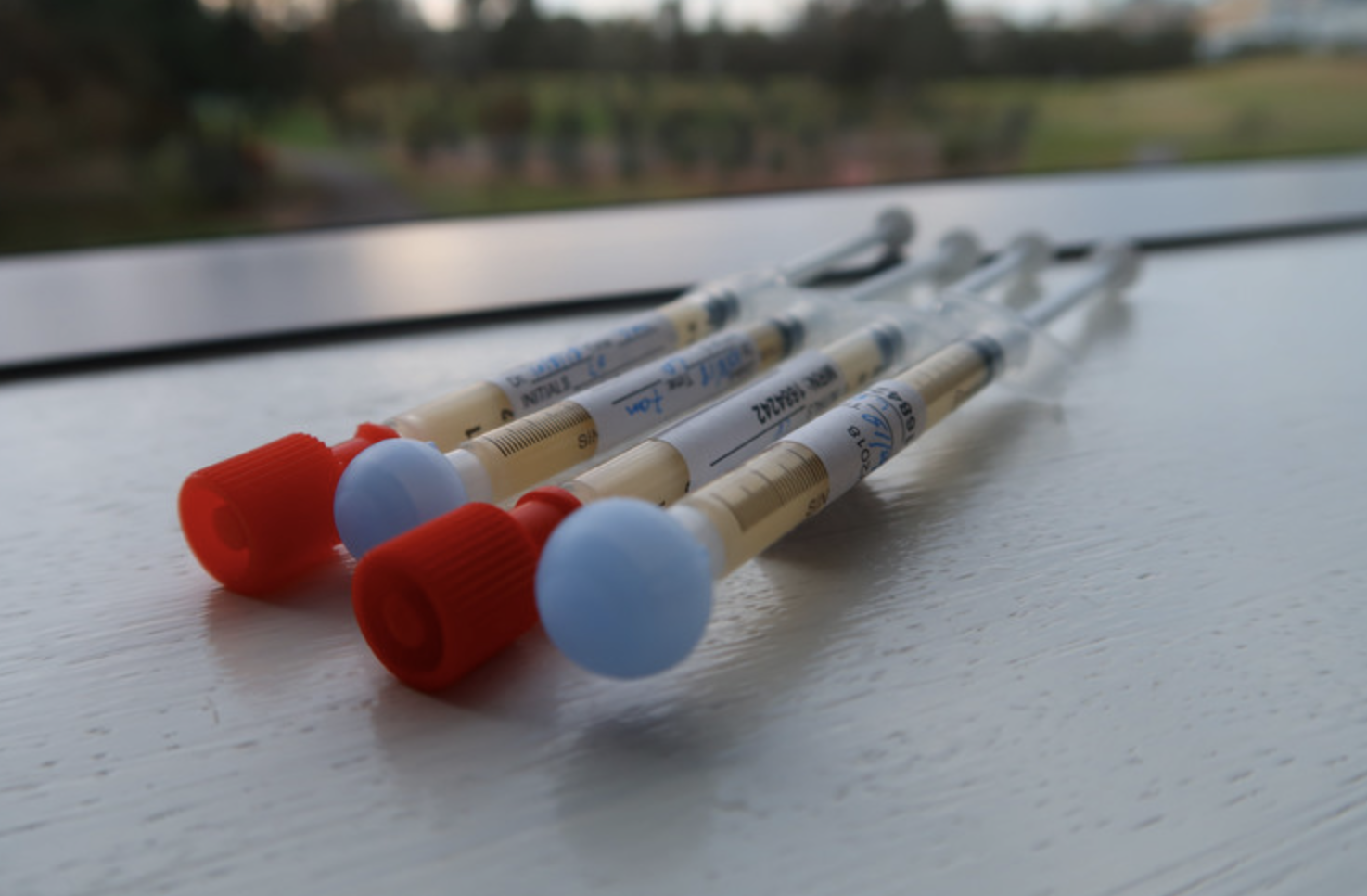
Collect it in a clean container, or draw up the drops with a sterile syringe. Don’t worry if you only get a few drops at first. A few drops is really all a brand-new newborn needs anyway! It takes a bit of practice, and that’s completely normal.
Need more support?
If you need more support or have any questions, come to one of our free drop-in groups, or call the National Breastfeeding Helpline on 0300 100 0212, open 24/7.
Marion Frey-AlQurashi, Breastfeeding Counsellor, Certified Lactation & Breastfeeding Specialist and Mindful Breastfeeding Practitioner
Found this helpful?
We’d love to hear from you, so leave us a comment below. Our drop-in groups are free, and we rely on donations to keep them running. If you’re able to, you can buy us a coffee on Ko-fi. Every little bit helps us support more families in Norwich and Norfolk. Thank you! 💛
Leave a Reply